
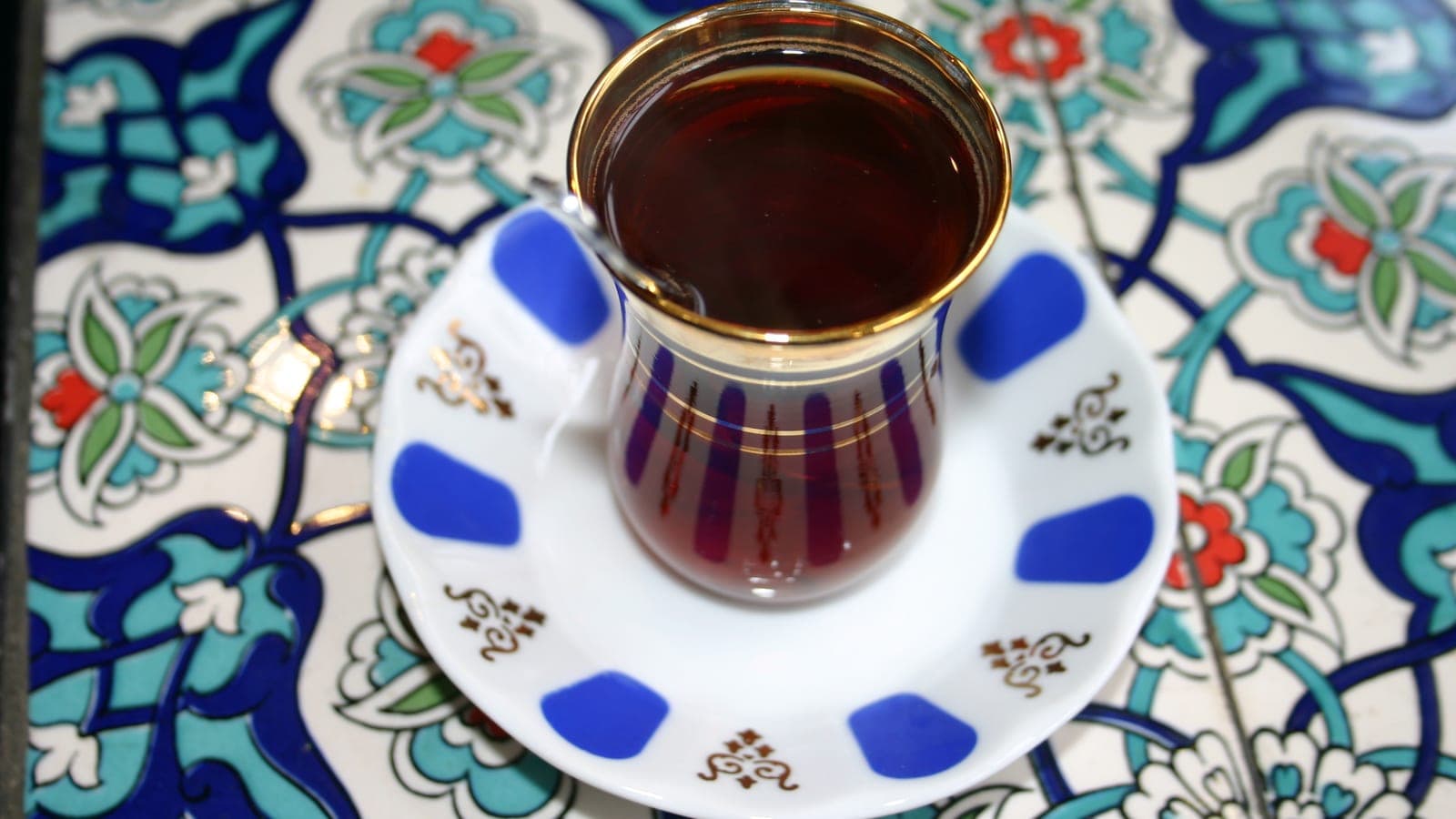
Two drinks run this country, and visitors regularly get both slightly wrong. Turkish tea is the everyday one, poured all day, offered everywhere and almost never refused. Turkish coffee is the ceremonial one, drunk slowly, in tiny cups, usually once.
Turkish tea, and the glass it comes in
Tea here is grown on the Black Sea coast and brewed in a *çaydanlık*, a stacked double pot: strong brew on top, hot water below. You are served a concentrate diluted to your taste, which is why the two useful words are *açık* (weak) and *koyu* (strong).
It comes in a tulip-shaped glass, always, and the shape is not decoration: it keeps the top hot while you hold the cool rim, and it shows off the colour, which is half the point. Hold it by the rim, not the body, unless you enjoy burnt fingers.
Sugar goes in as cubes, on the saucer, so you choose. Milk does not go in at all. Asking for it is not offensive but it does mark you out, in the way ordering a cappuccino after dinner does in Italy.
When tea is offered and what it means
You will be offered tea in carpet shops, jewellers, barbers, car rental offices and by hotel receptionists. In shops it comes with an unspoken suggestion that you will at least look properly. In every other setting it is simple hospitality with nothing attached.
Refusing is fine and mildly awkward; accepting costs you ten minutes and generally improves the conversation. If you genuinely do not want it, "*teşekkürler, az önce içtim*" — thank you, I just had one — closes it politely.
Turkish coffee, ordered properly
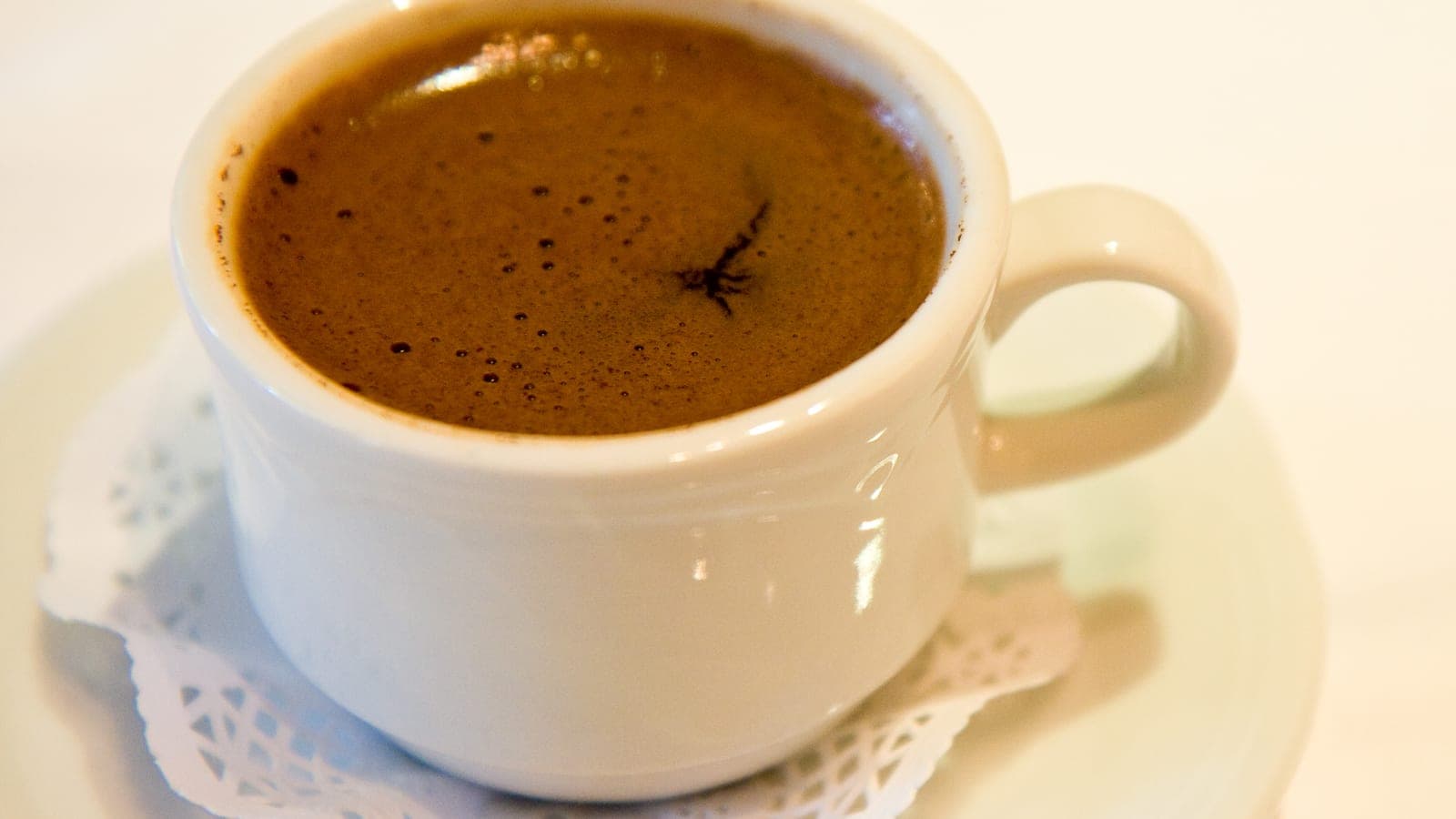
Turkish coffee is finely ground, simmered in a *cezve* and served unfiltered, grounds and all. You order the sugar with the coffee, because it goes in during brewing and cannot be added later:
- Sade — no sugar.
- Az şekerli — a little.
- Orta — medium, and the most common order.
- Şekerli — sweet.
It arrives with a glass of water and often a piece of *lokum*. Drink the water first to clear your palate, sip the coffee slowly, and stop when you reach the sludge at the bottom. That last centimetre is grounds, not coffee.
Leave the cup to settle and someone at the table will inevitably offer to read your fortune in it. This is a game, played sincerely, and going along with it is the polite move.
Where to drink both in Alanya
- The tea gardens behind the museum and along the seafront: cheap, shaded, full of locals playing *okey* in the afternoon.
- The harbour cafés for coffee with a view, at roughly double the town price.
- The castle-top cafés, which are worth it once for the view over both bays.
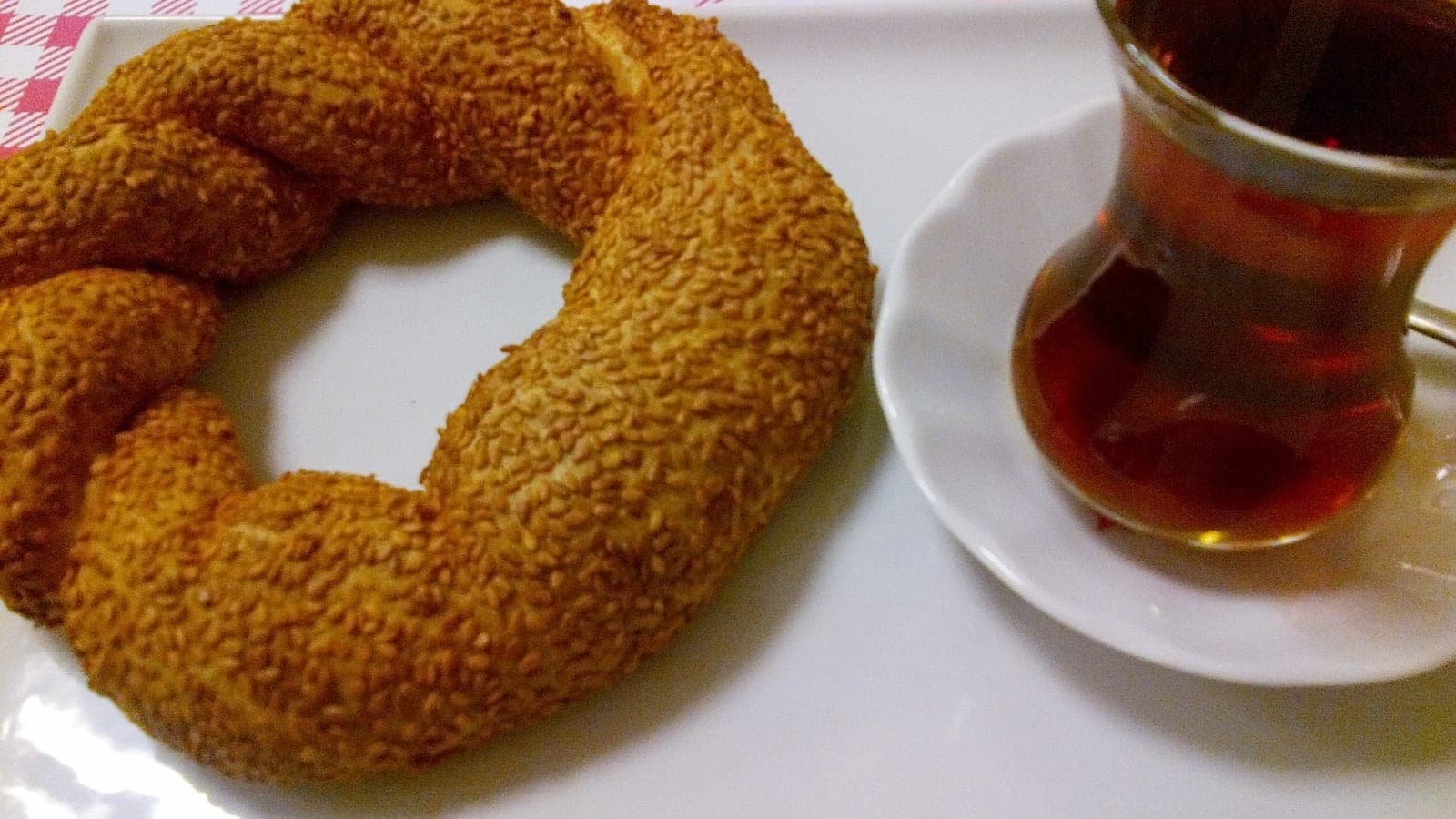
- Any bakery in the back streets, where tea plus a *simit* costs almost nothing and is the standard local breakfast.
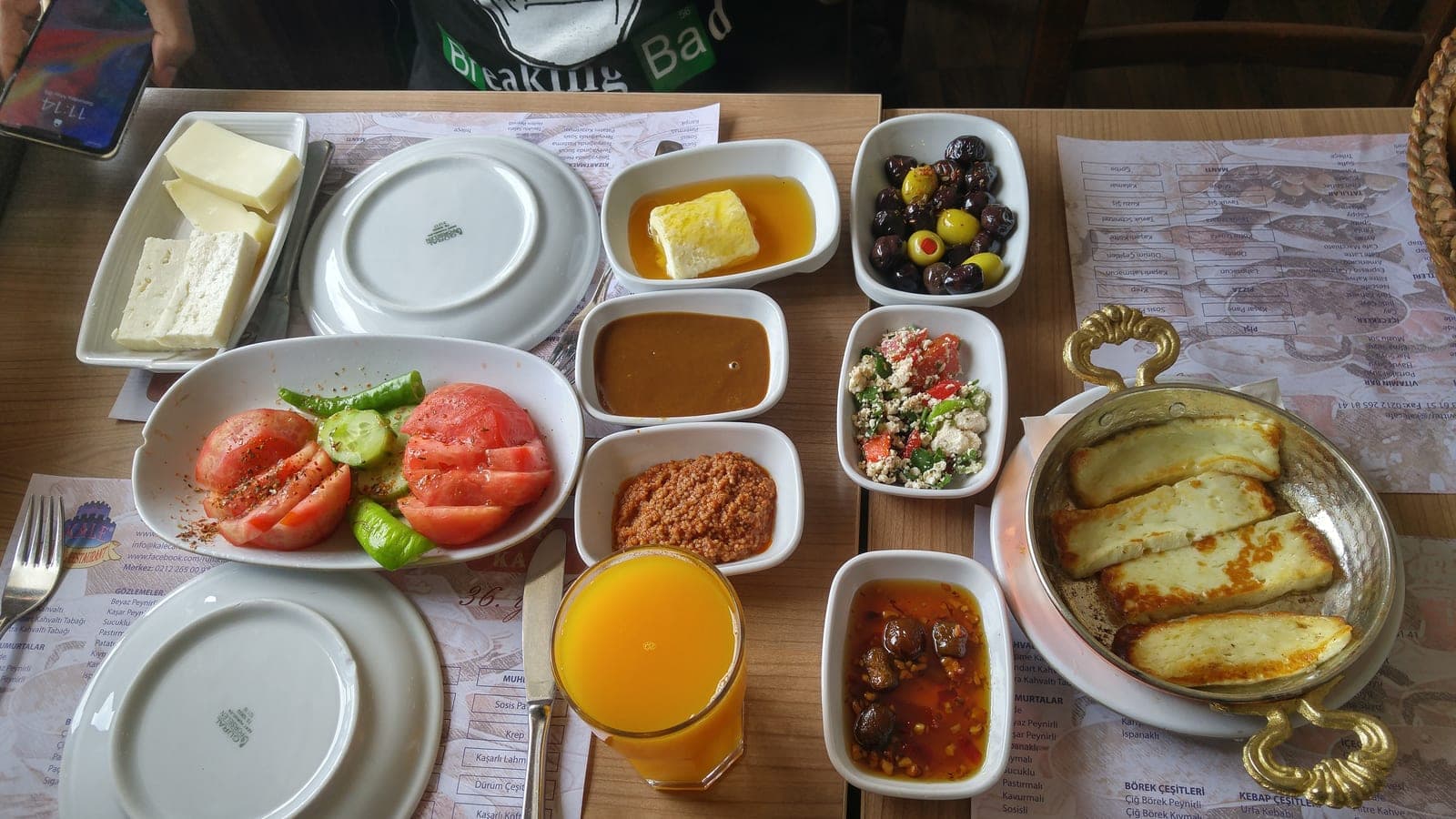
Tea also follows a meal automatically. After a Turkish breakfast or a fish dinner, the glasses appear without being ordered, and in most places they are on the house.
One warning about apple tea
The bright orange *elma çayı* sold everywhere on the tourist strip is a powdered fruit drink, not tea, and no Turkish person drinks it. It is perfectly pleasant. It is simply not what the locals mean when they say tea.

Comments
Write a comment
No comments yet. Be the first to write one.