
Damlataş Cave is not a big attraction. It takes fifteen minutes, it sits between a beach and a museum in the centre of Alanya, and you can walk to it from most hotels on the western side. It is also the only cave in town that people visit for reasons other than sightseeing.
What it is and how it was found
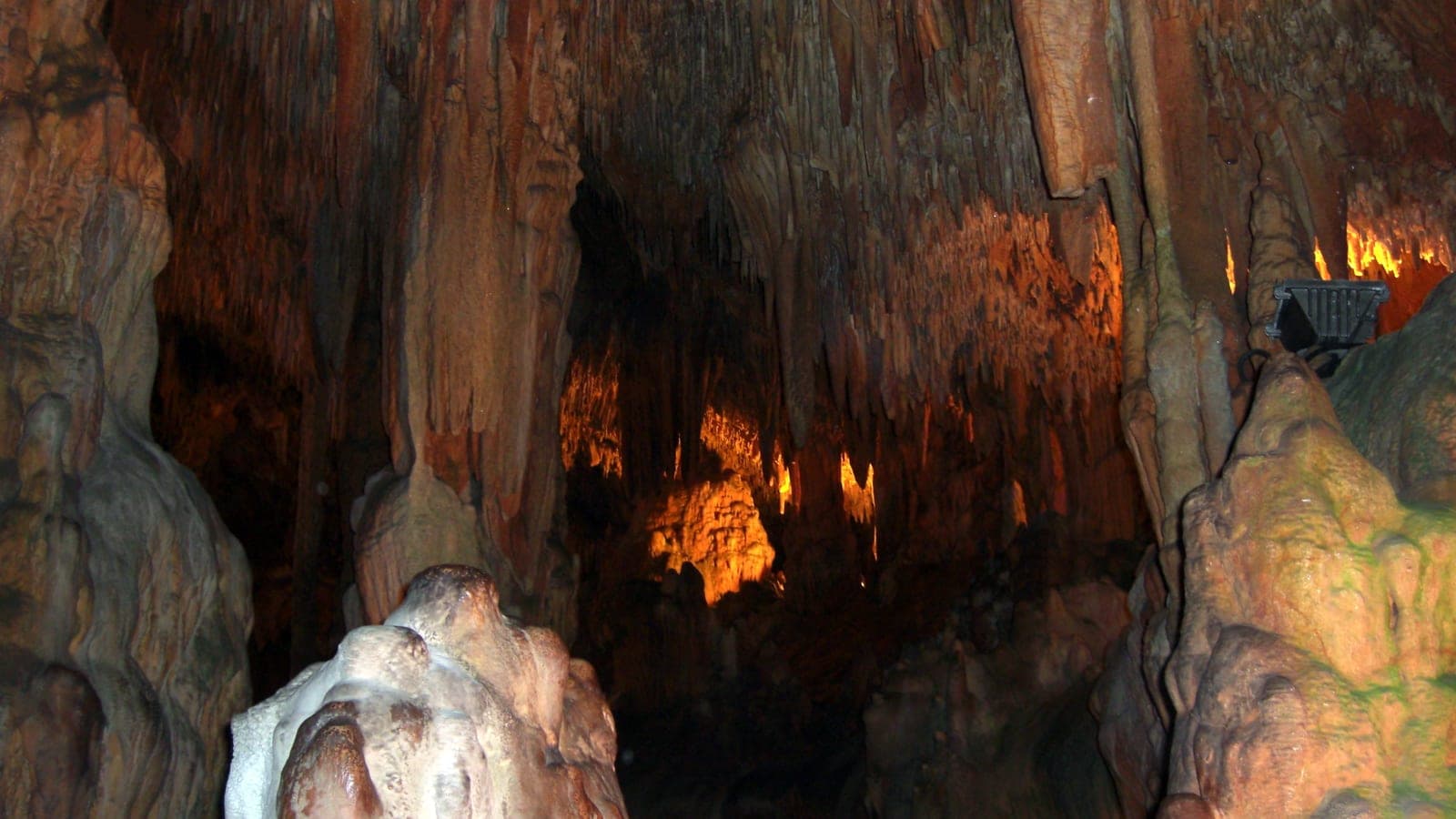
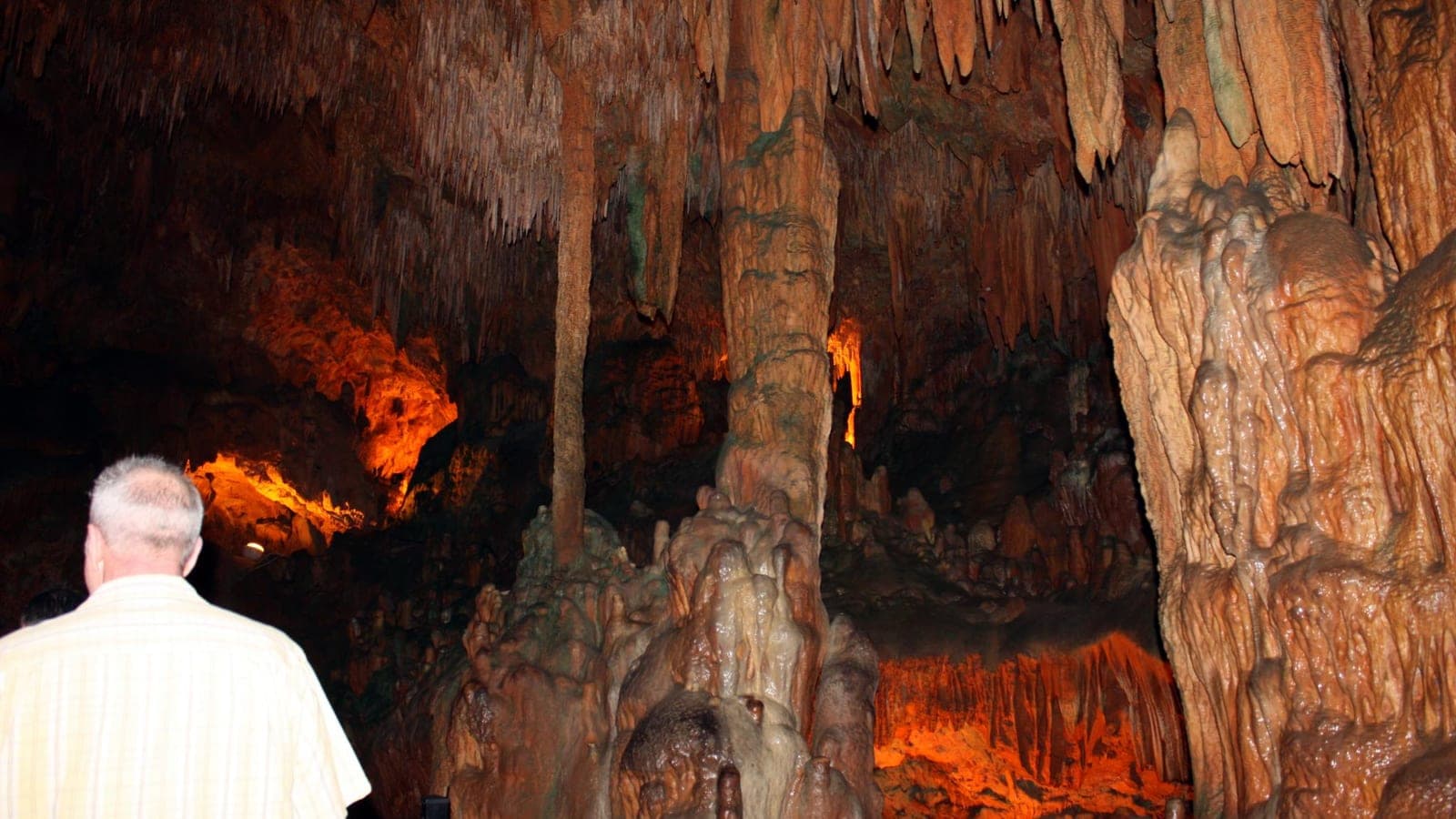
The cave was found in 1948, during blasting for the harbour works, when the rock opened onto a chamber nobody knew was there. The stalactites and stalagmites inside are thousands of years old and still forming. *Damlataş* means "dripping stone", which is exactly what you hear.
It is around thirty metres deep, with a walkway and lighting that make it manageable for almost anyone who can handle a few steps. There is no guide, no tour and, outside high season, no queue. You go in, you walk to the end, you come back.
The air, which is the actual point
Inside, the temperature sits around 22 to 23 °C all year and the humidity is very high, up around ninety per cent. That combination is why Damlataş Cave has a second life as a therapy site: people with asthma and chronic bronchitis sit inside in the early morning, before the cave opens to visitors, over a course of sessions.
Whether or not you are there for your lungs, the effect on a July afternoon is immediate. You step out of thirty-eight degrees of glare into cool, still, damp air, and for the first ninety seconds the difference is startling.
Making a proper morning of it
The cave alone is not a trip. What makes it worth the walk is everything around it, all within two hundred metres:
- The Alanya Museum, directly next door, small and genuinely good on the Seljuk and Roman history of the town.
- Damlataş beach, a short sheltered strip below the cave, quieter than Kleopatra.
- The cable car station, from which you can ride up to the castle and walk back down through the old town.
- The park and tea gardens behind the museum, in real shade.
That combination fills a morning comfortably and costs very little. Go at opening time. The passage is narrow, and once two coach groups arrive the walkway becomes single file.
Damlataş Cave and the other caves nearby
Alanya has more caves than any visitor expects, and they split into three kinds.
Damlataş Cave is the walk-in one. Dim Cave, half an hour inland, is far larger — a proper cavern with a long descending path — and is usually done as a half-day with the river restaurants below it. We wrote it up separately in the Dim Cave and Dim river guide.
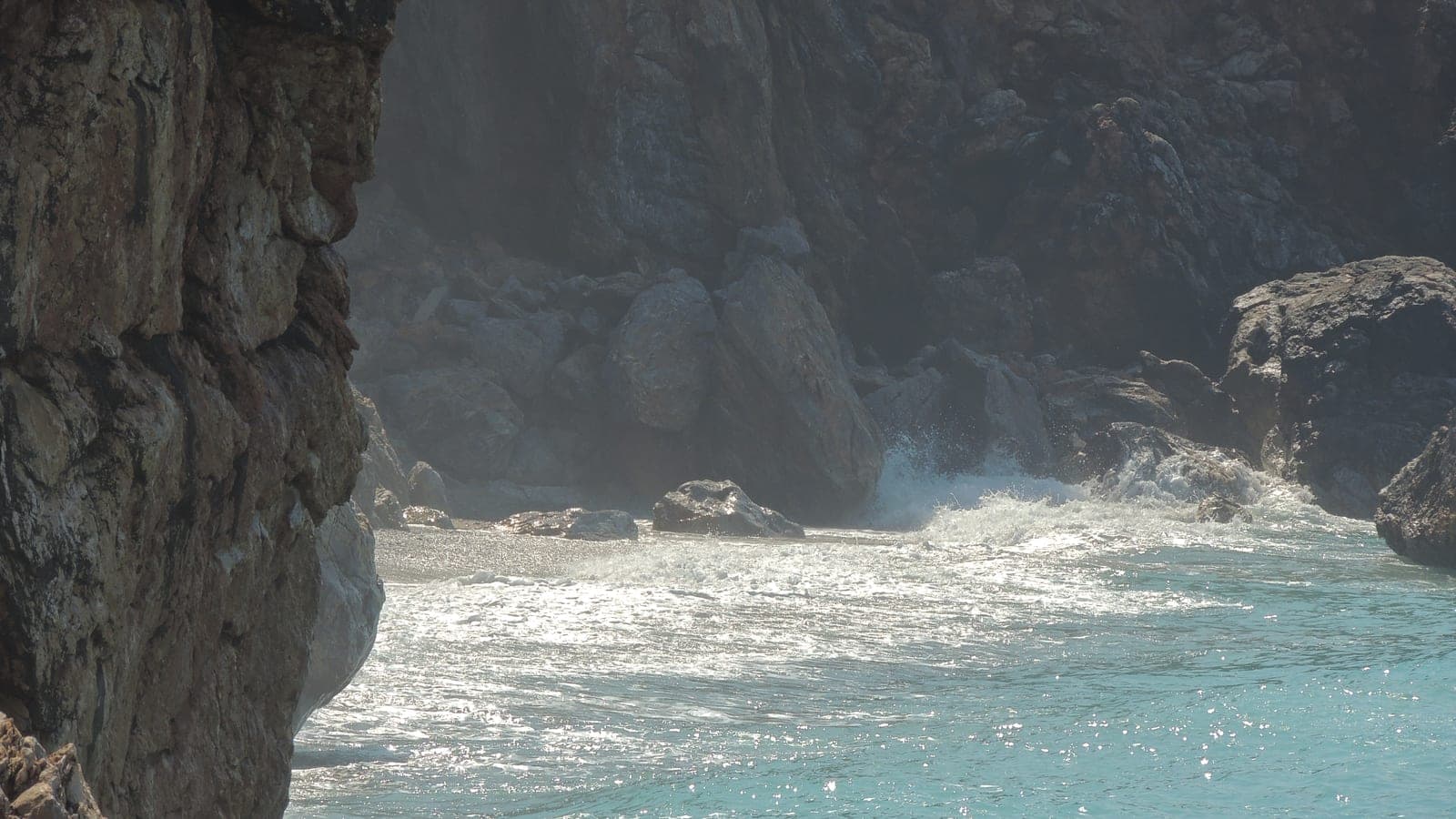
Then there are the sea caves around the peninsula: the Phosphorus Cave, the Lovers' Cave and the Pirates' Cave. These are reachable only from the water, which is why every pirate boat trip in the harbour lists them on the board.
Practical notes
- Opening hours run roughly 09:00 to 19:00 in summer and shorter in winter; the therapy sessions are earlier and separate.
- The ticket is cheap and often combined with the museum next door.
- Take a light layer. Twenty-two degrees feels cold when you have come off the beach.
- No tripods, and flash is discouraged. The lighting is warm and low; a phone handles it better than you would expect.
- Not step-free. There are stairs at the entrance and the floor is damp.
If you have half a day and it is too hot to be outside, this is the cheapest hour in Alanya that feels like a proper visit rather than a way to pass the time.


Comments
Write a comment
No comments yet. Be the first to write one.