
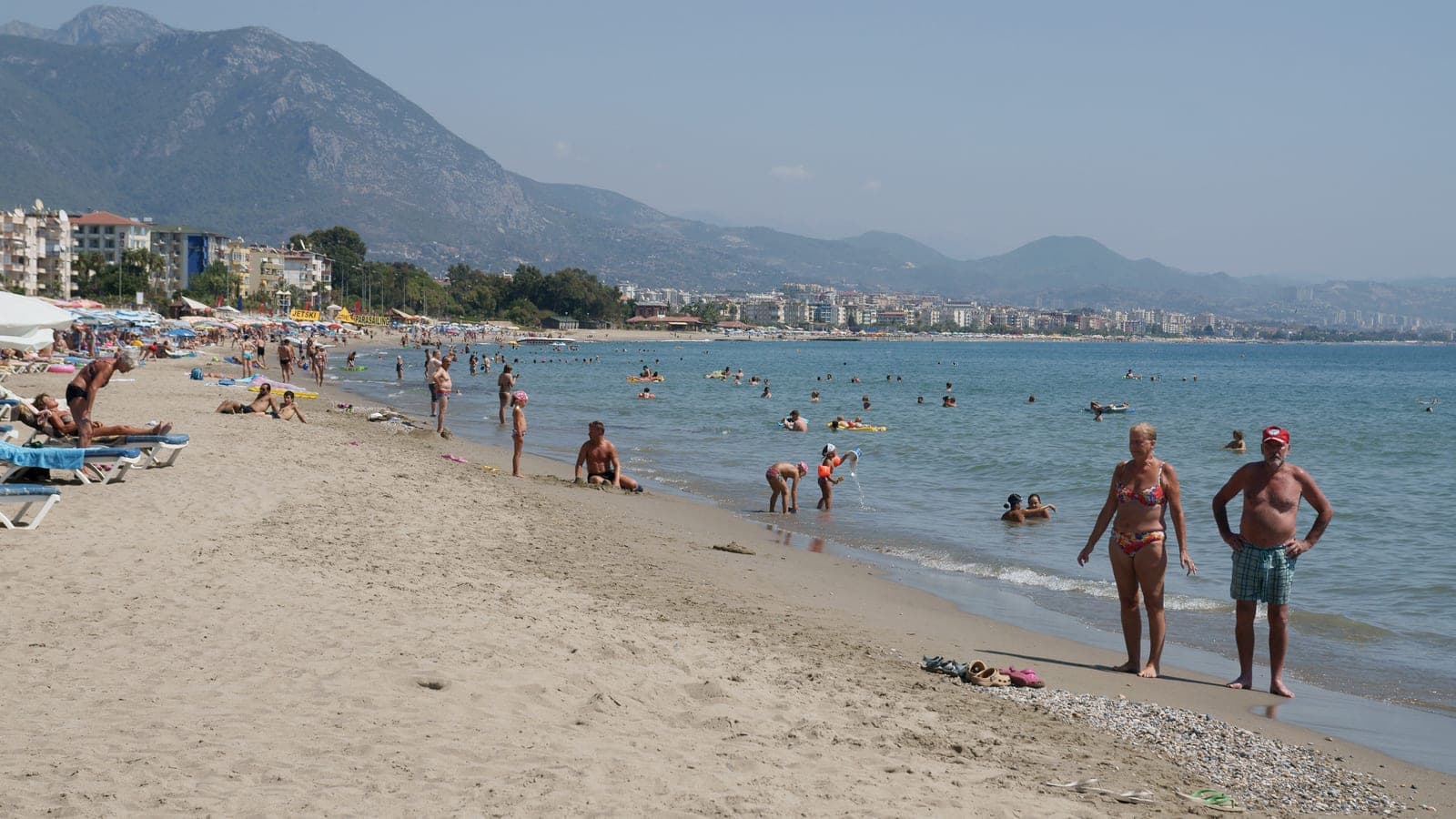
People arrive in Alanya and assume the beach outside their hotel is the beach. It is not. The Alanya beaches run for more than twenty kilometres either side of the castle headland, and they differ in sand, in depth, in shade and above all in how many people are on them.
West of the rock: Kleopatra
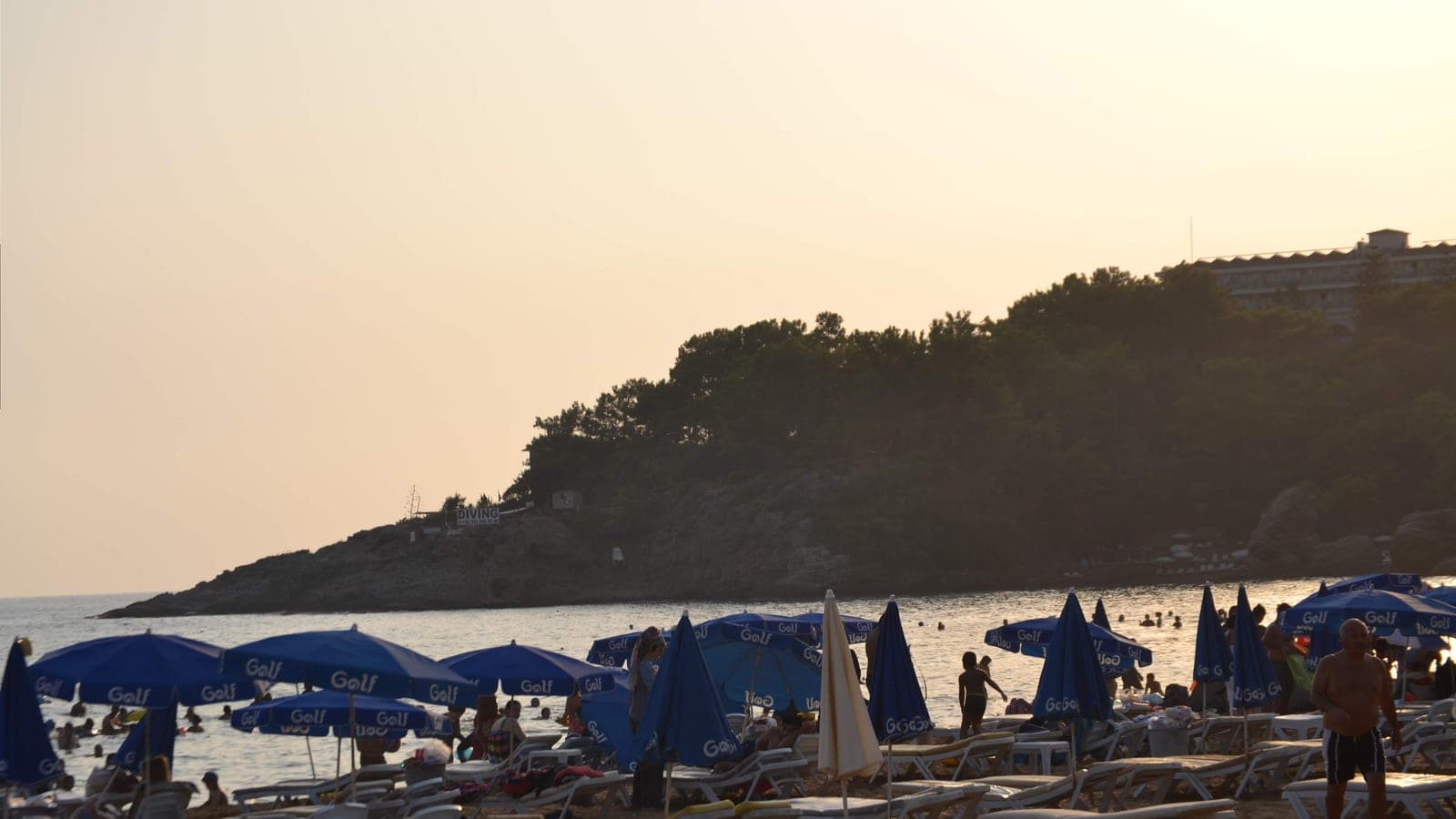
Kleopatra is the famous one, a two-kilometre strip of fine pale sand running west from the castle. It faces west, so it gets the sunsets, and it has the full apparatus: sunbeds, showers, cafés, water sports, a promenade behind it.
It is also the busiest stretch in the city by a distance. In July you will not find an empty patch after ten in the morning. If that is what you want from a holiday, it is excellent. If it is not, keep reading. We have written about it in more detail in the Cleopatra Beach guide.
East of the rock: Damlataş and Keykubat
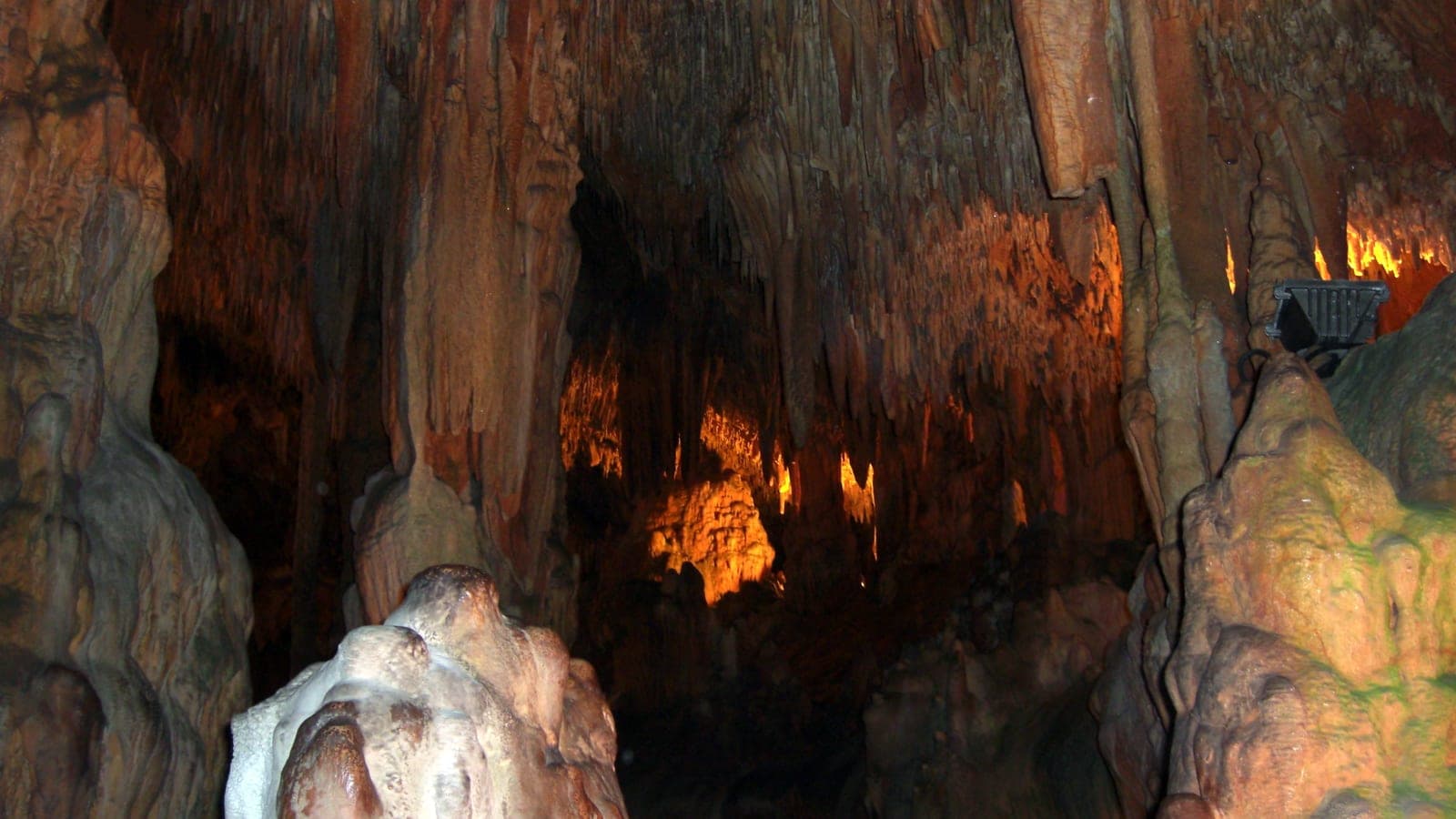
Damlataş is the small beach directly below the cave of the same name, tucked in beside the museum. It is short, sheltered and often calmer water than Kleopatra.
Keykubat runs east from the harbour for several kilometres and is the locals' default. Coarser sand than Kleopatra, some pebble in stretches, but far more room and a gentler shelf into the water. Families with small children usually settle here after a day of trying to hold a spot on the west side.
Out of town: Konaklı, İncekum, Mahmutlar
Head 12 to 25 km either way and the character changes again.
- Konaklı, 12 km west. Hotel-lined, calm water, cheaper food than the centre.
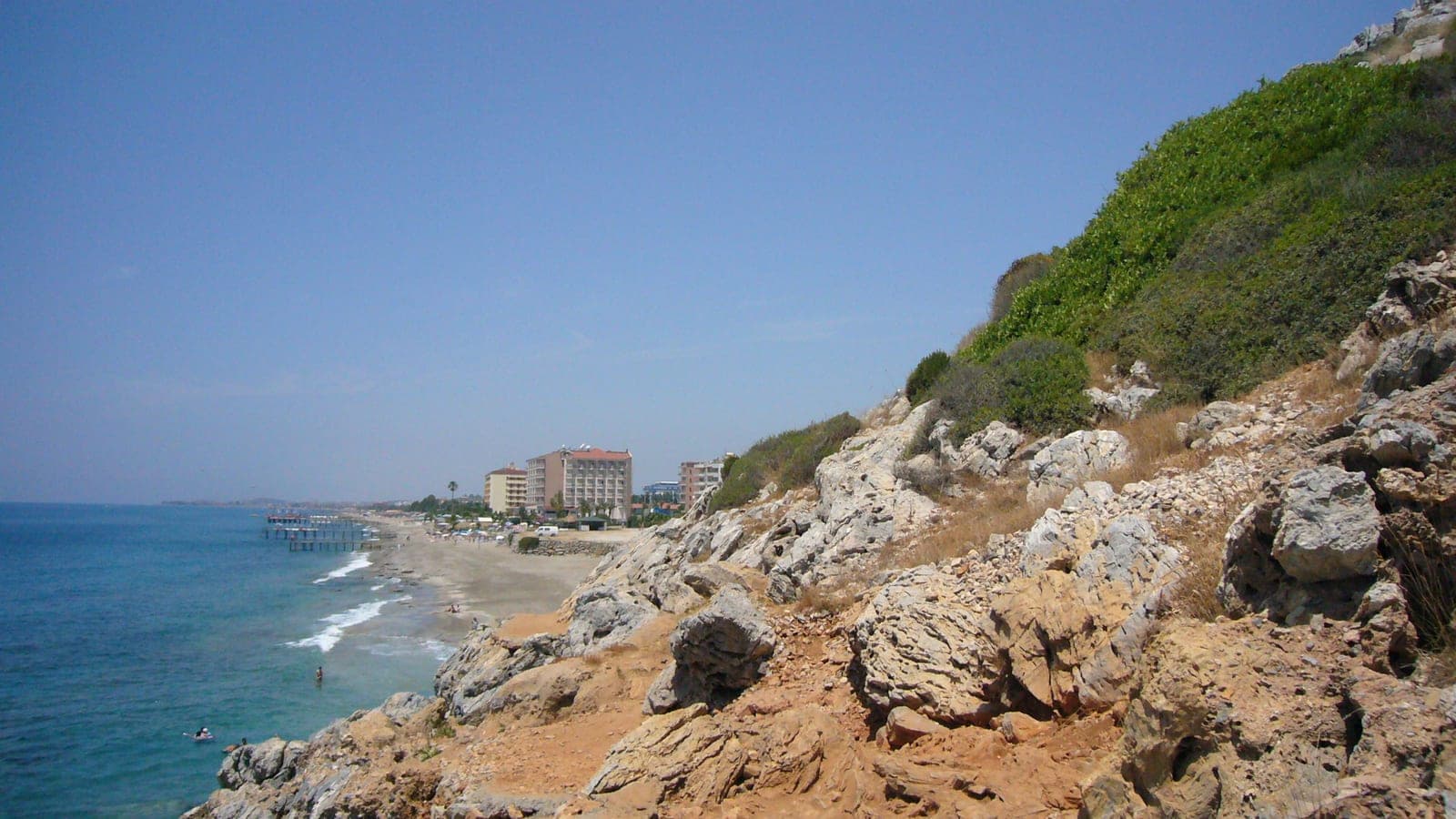
- İncekum, near Avsallar, about 25 km west. The name means "fine sand" and it earns it. Pine trees come down close to the beach, which means actual natural shade — rare on this coast — and the water stays shallow a long way out. The best of the Alanya beaches for young children.
- Mahmutlar, 12 km east. More pebble and rock, less sand, but quiet and popular with long-stay residents.
- Kargıcak, further east again, mostly pebble, clear water, few facilities.
What the Alanya beaches are actually like to use
Beyond sand and crowds, three things decide whether a day works.
Shade. Almost none of it is natural. The pines at İncekum are the exception; everywhere else you are renting an umbrella or sitting in a beach club. Between noon and four in July that is not a comfort question, it is a sunburn question.
Entry into the water. Kleopatra shelves quickly and gets choppy when the afternoon wind comes up. Keykubat and İncekum stay shallow far out, which is why families migrate there. The eastern pebble beaches drop away fast and are not the place to teach anyone to swim.
Facilities. Showers, changing cabins and toilets are standard on the city beaches and thin out fast once you leave town. Konaklı and İncekum have them; the quiet stretches past Kargıcak often do not.
One more thing that surprises people. The sea here is swimmable from May to early November, but the water is at its warmest in late August and September, not in July. If you are choosing between a June trip and a September one for the swimming, September wins.
Choosing well
- Small children: İncekum or Keykubat. Shallow, shade, space.
- Sunset and atmosphere: Kleopatra, no contest.
- Snorkelling: the rocky edges near the harbour and Kargıcak, not the sand.
- Escaping the crowd in August: anything east of Mahmutlar before 11:00.
- Watersports: the west side, where parasailing over Kleopatra and the jet ski operators are concentrated.
Two practical things. Blue Flag beaches here have lifeguards and tested water, and it is worth checking the flag on the day rather than assuming. And the afternoon breeze picks up on the west side from about three, which is welcome in August and less so in May.
Comments
Write a comment
No comments yet. Be the first to write one.